Comparative Historical Evidence: Jesus, Caesar, and Alexander
Examining the claim that historical evidence for Jesus is stronger than for Caesar or Alexander, and why this comparison does not hold up under standard historical methodology.
Posts tagged with "jesus"
Examining the claim that historical evidence for Jesus is stronger than for Caesar or Alexander, and why this comparison does not hold up under standard historical methodology.
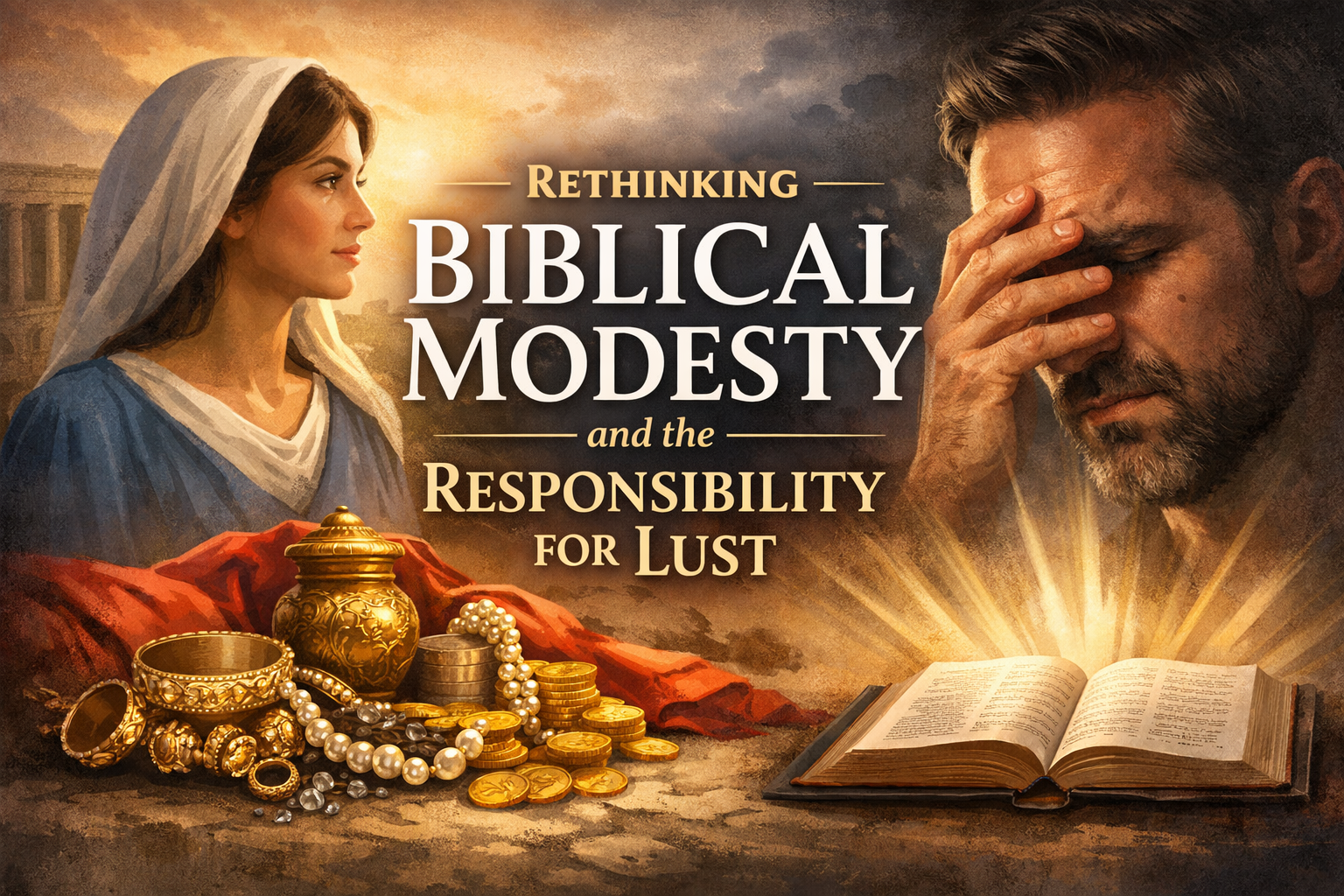
Biblical modesty addresses wealth and social display, not women's bodies—and scripture consistently places responsibility for lust on the individual, not on those they desire.

Examining historical evidence about Jesus' self-understanding and the later development of divinity claims by his followers.
Paul expected Jesus' return within his lifetime. Examining this unfulfilled prophecy and its implications for biblical authority.

Examining how Paul's theology diverged from Jesus' teachings and shaped Christianity into something Jesus didn't intend.
Challenging traditional views of biblical authority and encouraging personal discernment in understanding scripture and faith.

Contrasting the vengeful God of the Old Testament with Jesus' loving Father, questioning biblical consistency.
The Eden story as a narrative about consciousness, control, and the human quest for knowledge rather than literal history.
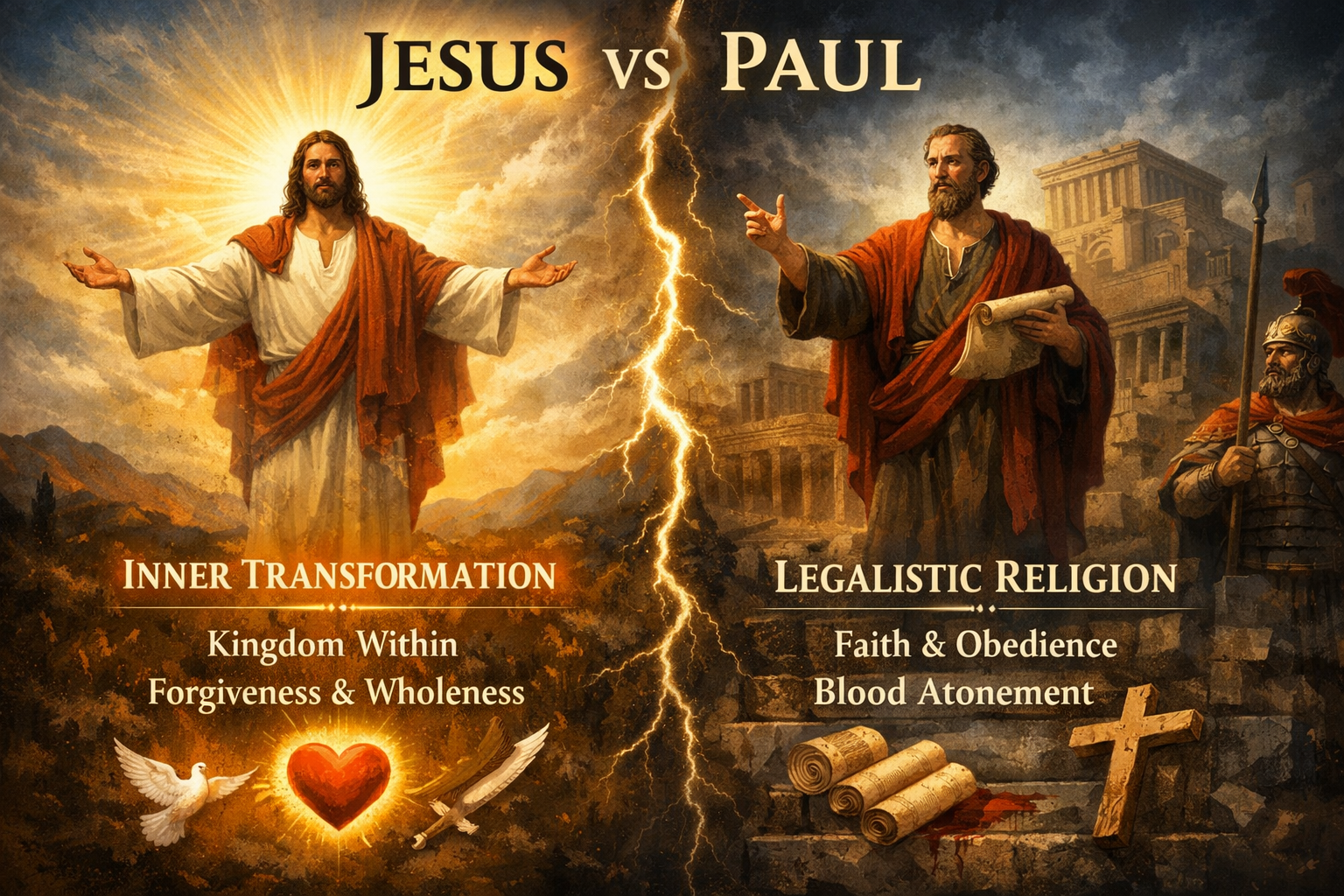
Exploring fundamental contradictions between Jesus' message of works and mercy versus Paul's theology of faith alone.

Jesus taught repentance and mercy, not blood sacrifice. Exploring how atonement theology diverges from Christ's actual message.
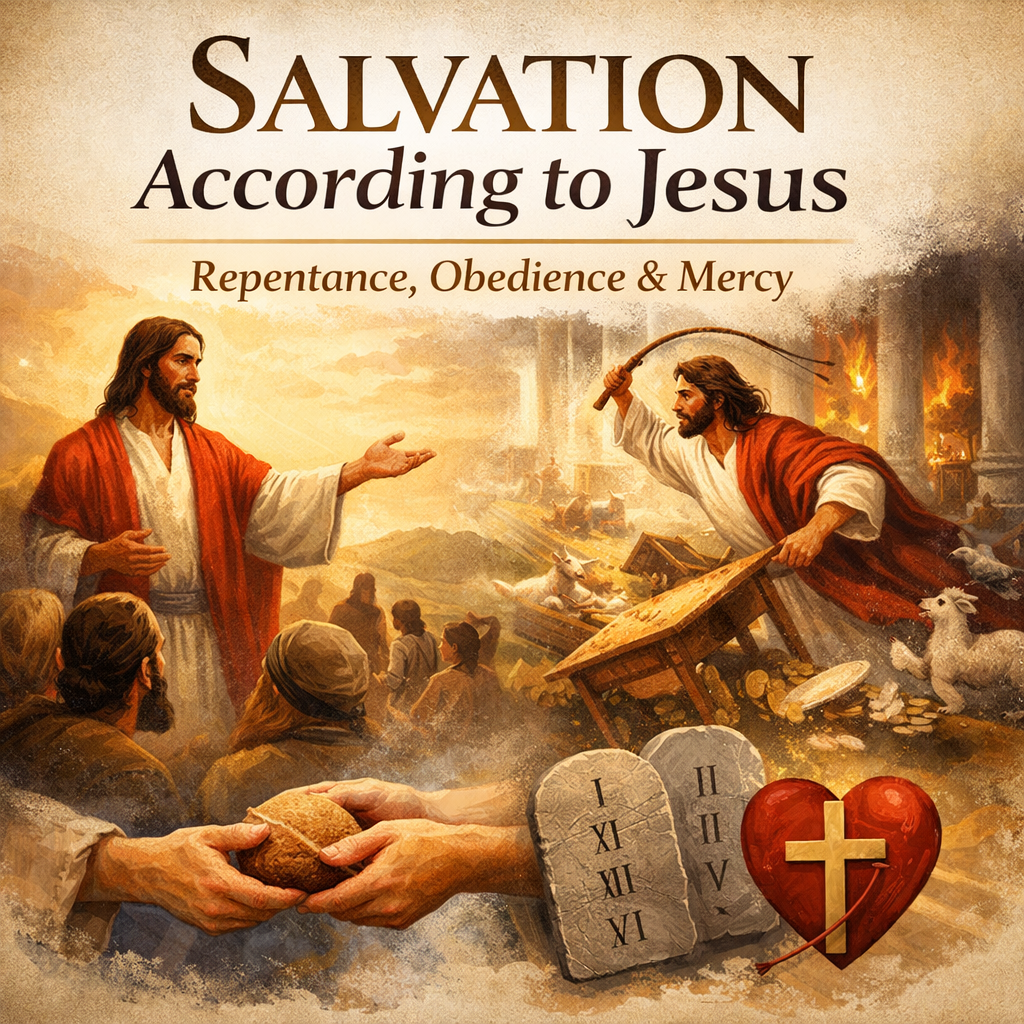
Jesus taught salvation through repentance, obedience, and mercy—not through belief in his death as a sacrifice.
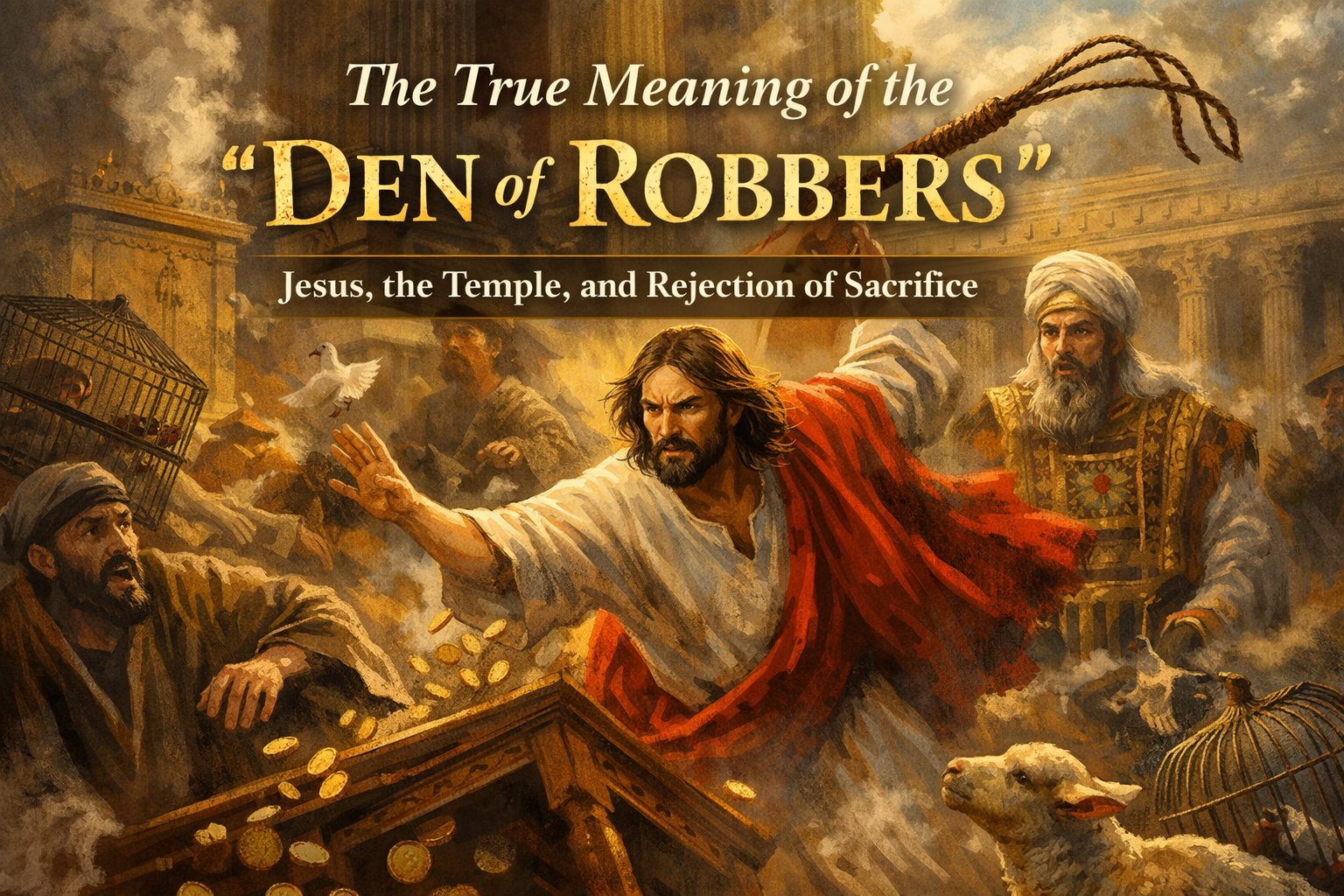
Jesus' temple confrontation was about spiritual corruption and exploitation, not just money-changing practices.
Jesus taught heaven as a present spiritual reality and state of being, not a future destination after death.
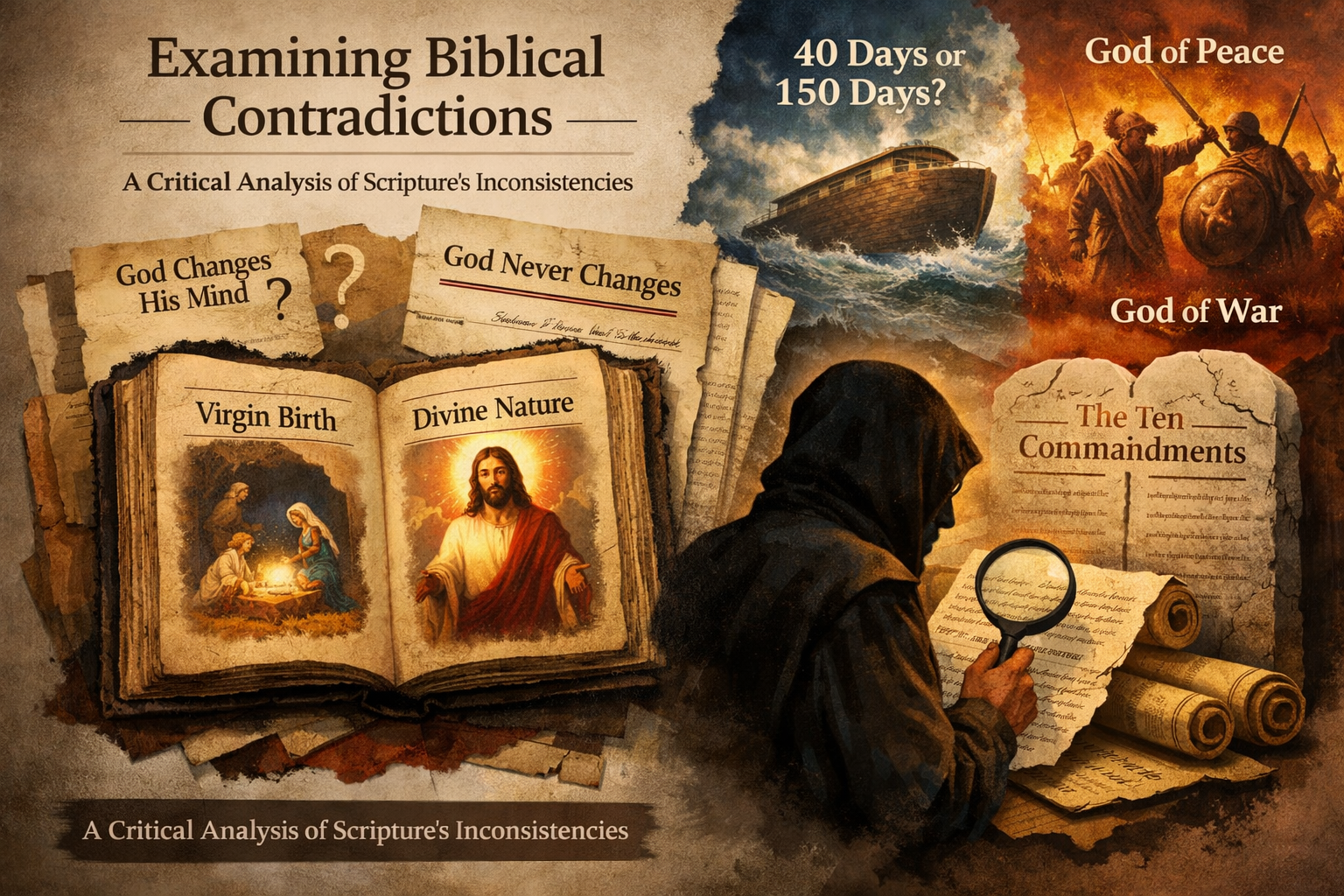
Understanding the Bible as a human document shaped by culture, politics, and history rather than divine dictation.

Christianity centers on following Jesus, not worshiping the Bible. Discover the difference between faith in Christ and bibliolatry.

Mary Magdalene may be one of the most controversial characters in the story of Yeshua. Maybe because Paul did not believe women should be in ministry and that religious men should be celibate? In this article we will discuss why Mary Magdalene and Yeshua were most likely married.

Exploring fundamental contradictions between Jesus' message of works and mercy versus Paul's theology of faith alone.

How commercialism and tradition have obscured the original meaning and message of Christmas and Christ's birth.

How Roman political power shaped the biblical canon and Christian doctrine to serve imperial interests and control.
Yeshua’s (Jesus) Birth Birthdate Although the bible never provides a specific date for the birth of Yeshua, there are numerous accounts that have specified that he was born the 21st day of Nisan in the sign of Aries, which in the modern day Gregorian calendar would be in April. So why do we celebrate his birth in December? The choice of December 25th to celebrate Jesus’ birth likely arose from a combination of practical and symbolic reasons: integrating pre-existing pagan festivals, aligning with the symbolic return of light, and theological calculations. It became firmly established as part of Christian tradition by the 4th century.